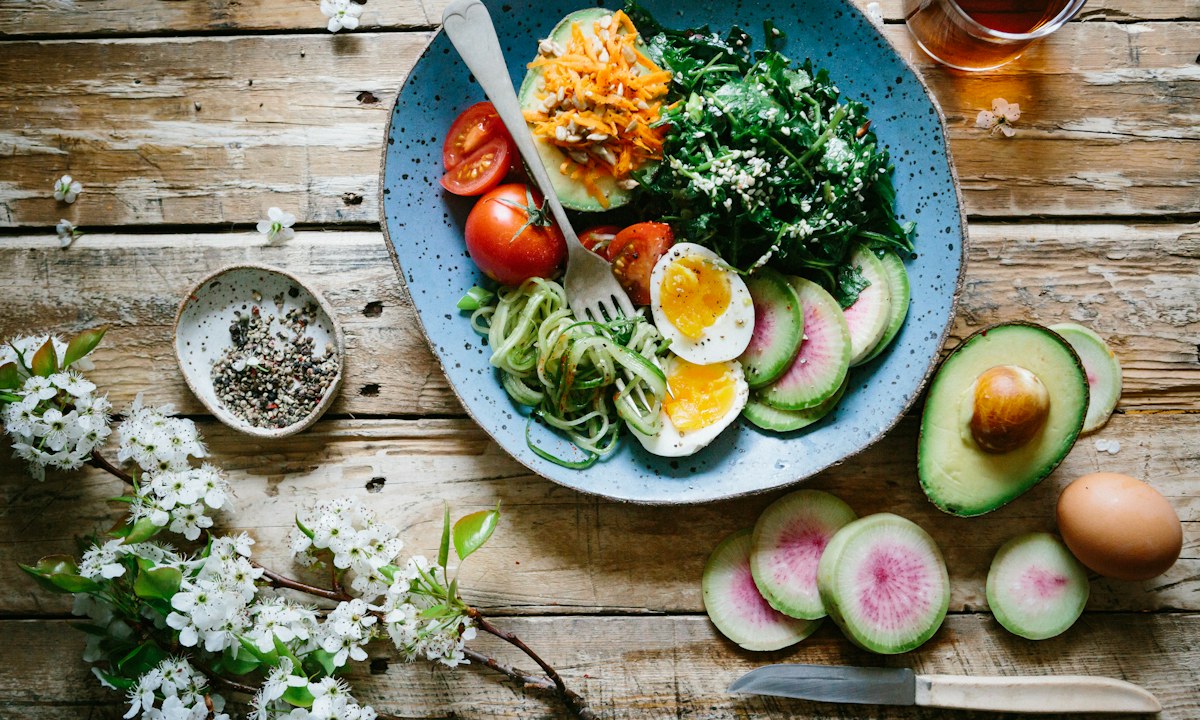
The version of meal prep that shows up on social media — perfectly identical containers, the same meal eaten five days running — is exactly why a lot of people try it once and never again. A more flexible system tends to last much longer.
Why meal prep helps in the first place
The core benefit isn't really about the food itself; it's about removing decision fatigue at the exact moment you're most likely to make a rushed, less-considered choice — tired, hungry, after a long day. Having something ready (or partly ready) removes that pressure point entirely.
Component prep instead of full-meal prep
Rather than cooking five identical complete meals, prep individual components separately, then mix and match through the week:
- A protein — grilled chicken, baked tofu, hard-boiled eggs, or a batch of beans
- A carbohydrate — cooked rice, roasted potatoes, or quinoa
- Vegetables — a roasted tray of mixed vegetables, or pre-washed greens for a fast salad
- A sauce or dressing — this is what actually prevents "meal prep fatigue," since the same base ingredients taste different with a different sauce each day
This approach follows the same balanced-plate logic covered in our balanced plate guide, just prepared in bulk and assembled fresh each day.
A realistic weekly rhythm
- Pick one prep day — commonly a weekend day — and set aside 60-90 minutes.
- Cook 2-3 proteins and 1-2 carb bases in bulk, using the oven and stovetop simultaneously to save time.
- Wash and chop vegetables for the week, even if you're not cooking them all yet — pre-cut vegetables get used far more often than whole ones sitting in the fridge.
- Make 1-2 sauces or dressings to rotate through the week for variety.
- Store everything separately in clear containers, so you can see what's available at a glance rather than digging through the fridge.
Start smaller than you think you need to
A common reason meal prep gets abandoned is starting too ambitiously — prepping every single meal for the week in one go. A more sustainable starting point is prepping just lunches, or just one component (like a protein) for the week, and expanding from there once the habit feels manageable rather than overwhelming.
Dealing with the "I'm bored of this" problem
Rotating a small set of sauces, spice blends, or quick additions (a squeeze of citrus, a handful of fresh herbs, a spoon of chili paste) turns the same base ingredients into meaningfully different meals through the week — solving the monotony problem without requiring a completely new recipe every day.
Food safety basics worth knowing
Most cooked proteins and prepped components keep safely in the refrigerator for about 3-4 days; if you're prepping for a full 5-7 day week, consider freezing a portion partway through and thawing it later in the week, or planning a mid-week top-up cooking session for anything perishable.
Getting started this week
Pick one protein, one carb, and one vegetable you already enjoy, set aside an hour, and prep just those three components. Pair them with our balanced plate guide for portioning, and build from there once the basic rhythm feels manageable.
This article is educational and general in nature, not personalized dietary advice.
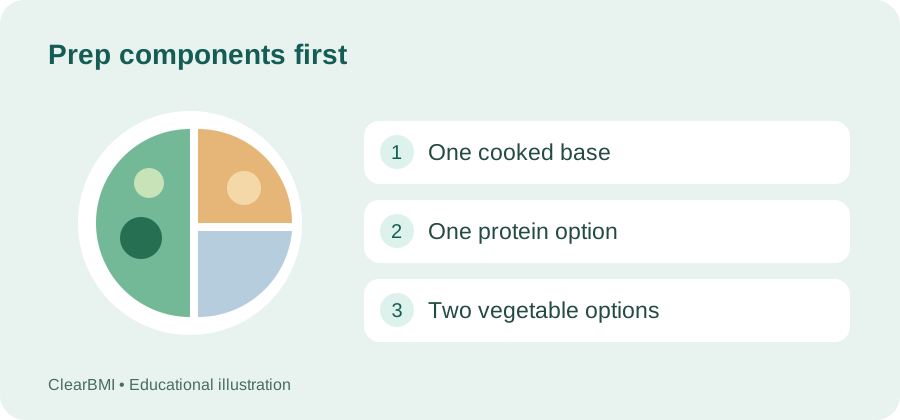
Prep for two lunches before planning seven days
Prepare a small batch of a grain, a protein food and vegetables, then combine them differently for two lunches. Keep dressing separate if it would make the meal soggy. Label containers with the preparation date and plan how they will stay cold during transport. Cooked leftovers generally keep for three to four days in the refrigerator under food-safety guidance; freeze portions intended for later. A full week of refrigerated cooked food is not a safe default. Start small so you can learn what you actually enjoy eating again.
Keep reading: